
Silage wrap is a crucial component in modern agriculture, particularly for Australian farmers who need efficient ways to preserve feed and maintain high-quality nutrition for their livestock. For quality silage wrap, click here.
What is Silage Wrap?
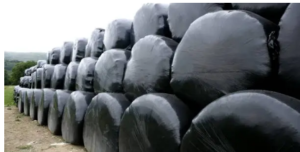 Silage wrap is a specialised, high-density plastic film used to enclose silage—a type of fermented, high-moisture fodder used as animal feed. It is designed to create an airtight seal around the hay, preventing oxygen from entering and facilitating the fermentation process. It ensures that the hay remains nutritious and palatable for animals throughout the year.
Types of Silage Wrap
In Australia, several types of silage wrap are available, each offering different advantages depending on the specific needs of the farm:
- Standard Silage Wrap: Typically used for most silage storage needs, it offers a reliable barrier against oxygen and moisture.
- UV-Resistant Wrap: Ideal for regions with high sun exposure, this type of wrap is designed to resist degradation from ultraviolet rays, extending the life of the wrap.
- Multi-Layer Wrap: Provides enhanced protection by incorporating multiple layers, which can improve the fermentation process and reduce the risk of spoilage.
Benefits of Using Silage Wrap
- Improved Quality and Preservation: Silage wrap helps to maintain the quality of the hay by ensuring a tight seal that protects against spoilage. This preservation method retains essential nutrients, ensuring that the feed remains beneficial for livestock.
- Reduced Waste: By preventing oxygen from reaching the hay, the wrap minimises the growth of harmful bacteria and moulds. It leads to reduced waste and more efficient use of feed resources.
- Extended Storage Life: Silage wrapped in high-quality film can be stored for extended periods without a significant loss in nutritional value. This flexibility allows farmers to manage their feed supply more effectively throughout the year.
- Cost-Effective: Although the initial investment in silage wrap may seem high, it can lead to significant cost savings in the long run by reducing feed waste and improving the efficiency of feed usage.
- Ease of Use: Modern silage wraps are designed to be user-friendly, allowing for quick and efficient wrapping of bales. This ease of use helps streamline farm operations and improve overall productivity.
How to Choose the Right Silage Wrap
Selecting the appropriate silage wrap is crucial for maximising its benefits. Here are some key factors to consider:
- Thickness and Strength: Look for a wrap with the right thickness and tensile strength to ensure it can withstand the stresses of handling and storage. Thicker wraps typically offer better protection against punctures and tears.
- Weather Resistance: In Australia’s diverse climate, choosing a wrap that can withstand varying weather conditions is essential. UV-resistant wraps are particularly beneficial in areas with intense sunlight.
- Compatibility: Ensure that the wrap is compatible with your baler and storage equipment. This compatibility will help ensure a proper seal and reduce the risk of issues during wrapping.
- Cost vs. Quality: While it’s important to stay within budget, investing in high-quality silage wrap can pay off in terms of reduced feed waste and improved silage quality. Balance cost with the performance and durability of the wrap.
Best Practices for Using Silage Wrap
To get the most out of your silage wrap, follow these best practices
- Proper Wrapping Techniques: Ensure that the silage bales are wrapped tightly with no air pockets. It helps in creating an effective barrier against oxygen and moisture.
- Storage Conditions: Store wrapped hay in a cool, dry place to prevent damage to the wrap and preserve the quality of the feed. Avoid placing bales directly on the ground to reduce the risk of contamination.
- Regular Inspections: Periodically inspect wrapped bales for any signs of damage or wear. Promptly address any issues to maintain the integrity of the wrap and the quality of the hay.
- Dispose of Used Wrap Properly: Follow local guidelines for the disposal or recycling of used silage wrap. Proper disposal helps reduce environmental impact and supports sustainable farming practices.
Conclusion:
Silage wrap is an indispensable tool for Australian farmers, providing numerous benefits from improved feed quality to reduced waste. By understanding the different types of wrap available, choosing the right product for your needs, and following best practices, you can enhance your feed storage and management strategies.