
Ingrown toenails are easily treatable at home, but it is essential to treat them properly. If you’re unsure of what’s causing the problem, it may be necessary to visit a healthcare provider. While home remedies can relieve the pain and swelling, you should avoid putting yourself at risk for an infection. Instead, follow the tips below to help relieve your ingrown toenail and keep it from reoccurring.
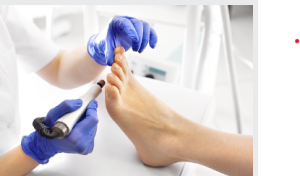 First, apply antibiotic ointment. It will prevent harmful bacteria from growing in the ingrown toenail. It will also reduce pain and irritation. It is essential to apply these ointments as soon as you notice the symptoms. Sometimes, ingrown toenails will require surgery, which should be performed by a trained professional. Some individuals try to perform the procedure themselves in the bathroom, but the risks far outweigh the benefits.
While there are some home remedies for ingrown toenails, a doctor’s treatment is always recommended if the condition is severe or painful. Taking a warm bath or shower will reduce swelling and pain. If the pain persists, apply an antibiotic cream or pill to the ingrown toenail.
Another effective home remedy for ingrown toenails is hydrogen peroxide. It contains magnesium, which helps fight inflammation. A soak in the solution for 15 minutes can help relieve the pain and swelling. Applying petroleum jelly or waxed dental floss to the ingrown toenail can be effective too.
Ingrown toenails
Ingrown toenails may be an uncomfortable and painful condition. If left untreated, this condition can lead to infection, gangrene, or amputation. However, if treated properly, an ingrown toenail is usually a minor problem that can be treated at home. The first step in treatment is to avoid wearing shoes that irritate the ingrown nail.
An ingrown toenail can be painful and cause difficulty walking. It is usually throbbing, warm to the touch, and may lead to swelling. In more severe cases, an ingrown toenail can lead to an abscess. You should seek immediate medical attention if you experience extreme discomfort. Ingrown toenails may be due to several causes, including improper trimming, wearing tight shoes, or trauma.
Ingrown arches
If you are suffering from ingrown arches in your feet, you should consider consulting a podiatrist Adelaide for proper treatment. This condition is caused by uneven weight distribution in the foot. It requires treatment from a qualified podiatrist, who will determine a treatment plan and prescribe the appropriate footwear.
Ingrown toenails are painful and can lead to infection if not treated immediately. A podiatrist can diagnose and treat your ingrown toenail and recommend preventative care and surgical removal.
Hammertoes
If you think you have hammertoes, the best first step is to visit a podiatrist. This foot and ankle surgery specialist will diagnose your condition and provide treatment options. While conservative treatment options like wearing special shoes can help you manage your pain and discomfort, you may also need surgical treatment.
Hammertoes are caused by several things, including improper footwear and how your foot functions during walking. It can also result from an overactive tendon, a traumatic injury, or an inherited foot shape.
Heel spurs
Your podiatrist Adelaide for heel spurs, can offer various treatment options, from conservative measures to surgical removal. Conservative treatments can often resolve the symptoms and help you continue walking comfortably. Surgical procedures may be necessary to remove the heel spur, but these are usually the last resort. In addition, physical therapy and exercises can help reduce the pain associated with the condition.
Conservative treatments for heel spurs typically include anti-inflammatory medications, rest, and lifestyle changes. They may also include orthotic inserts, stretching, or cold compresses. If these methods fail to provide significant relief, a Podiatrist may recommend surgery to remove the heel spur and restore the foot’s mobility.
Calluses
If you have thick calluses, you should consider visiting a podiatrist. Calluses can press on the healthy skin underneath and cause pain and tenderness. They can also restrict activity. In some cases, you may need to have them surgically removed to avoid pain and further complications. People with diabetes and poor circulation are especially at risk for callus development.