
There are several advantages of dental implants. One of these is that they mimic the root of a tooth. The other is that they can restore your bite and prevent your adjacent teeth from drifting toward the empty socket. In this article, we’ll go over the benefits of dental implants and how they work. Ultimately, you’ll be happier with the results!
They are a conservative treatment for missing teeth
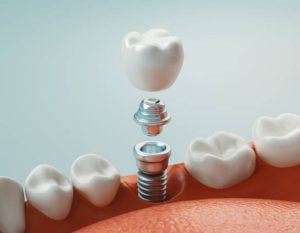 Dental implants replace teeth from the root to the crown and function like a natural tooth. They are made to blend seamlessly with a person’s smile and have a natural feel. Implants are also extremely strong and durable, and the new tooth will fuse with the bone over time.
Dental implants are the safest and most durable tooth replacement method available. They also don’t require the filing down of surrounding teeth. They are also very stable since they are embedded in the jawbone. Implants also restore facial contours lost when wearing dentures and partials.
Patients can care for dental implants SA by brushing and flossing twice daily and visiting the dentist twice a year for a professional cleaning. The treatment requires a small amount of extra maintenance, but it’s easy. In addition to brushing and flossing your teeth, your dentist will check your teeth for signs of wear.
Dental implants are a great alternative to bridges and removable dentures. Besides giving you a natural smile, dental implants also prevent gum disease and can restore your confidence. If you’re missing a tooth, it’s crucial to seek treatment as soon as possible. Dr Doyle Freano can provide single dental implants for patients in Lexington who’ve suffered an accident or had dental decay. This treatment is a long-term solution for missing teeth and is highly recommended by dentists and physicians.
Dental implants are the best solution for patients with missing teeth compared to traditional tooth-supported bridges. While a bridge requires filing down the adjacent teeth and using healthy ones as anchors, dental implants are longer-lasting and more durable. In addition, because they don’t decay or require root canals, implants are a conservative treatment for missing teeth.
They mimic a tooth’s root
A dental implant is a permanent prosthesis miming a natural tooth’s root. It is a titanium screw-like device that is placed in the jawbone in the area where a natural tooth used to be. Over time, the titanium screw fuses with the bone and provides stability for the new tooth.
The titanium implant fuses with the jawbone over time and mimics the look of natural teeth. Dental implants also preserve the quality of the jawbone over time because of its root-like shape and structure. In contrast, dentures require periodic replacement and refitting, reducing the quality of the bone.
Dental implants are a modern alternative to tooth extraction. They are made of titanium, and the dentist will insert the titanium “root” into the jawbone. Then, a porcelain “crown” will be attached to the implant. This type of prosthetic tooth replacement is the most natural-looking replacement available. In addition, unlike removable partials or full dentures, implants will not shift when you eat or talk.
Dental implants can replace one or several missing teeth. They are also known to have a high success rate. As they resemble natural teeth, they can mimic chewing force, allowing patients to eat foods they might not otherwise be able to eat. Furthermore, they offer a natural-looking, long-lasting replacement for a missing tooth.
Dental implants can last a lifetime if properly taken care of. Like natural teeth, they require daily brushing and flossing. The implants should be checked every six months to ensure proper health.
They restore your bite
Dental implants are a fantastic way to restore your bite and boost your confidence. The treatment involves placing a titanium post in the jawbone in the space where your natural teeth used to be. These posts mimic the roots of natural teeth and act as an anchor for the new restoration. This way, your new teeth won’t fall out or experience periodontal disease.
Missing teeth can cause a variety of problems for your overall health. In addition to the obvious cosmetic aspect of missing teeth, tooth loss can lead to TMJ disorder, excessive wear on your remaining teeth, and jawbone deterioration. A dental implant-supported restoration will prevent these problems and improve your overall bite health.
Dental implants are the closest thing to natural teeth. They allow you to eat without discomfort, speak confidently, and enjoy life. And unlike dentures and bridges, dental implants will not fall out while you eat or talk. Because they are surgically placed into the jaw, they become an integral part of your mouth.
Dental implants mimic the look, feel, and function of your natural teeth. It means you’ll have a natural-looking smile again, which means you’ll be able to chew food without difficulty. And since dental implants are anchored in your jawbone, they will reduce bone resorption and promote bone health. The procedure will also help you improve your speech.
They prevent adjacent teeth from drifting toward the empty sockets
Replacing a missing tooth with a dental implant is one of the best ways to preserve bone density in the jaw and keep adjacent teeth from drifting toward an empty socket. Normally, neighbouring teeth are held in place by their roots and surrounding teeth. However, when a tooth is missing, the remaining teeth in the jaw shift toward the empty socket, leading to several oral health concerns.
A missing tooth can affect chewing, speaking, and even laughing. Dental implants can help you smile again, as implants are placed directly into the jaw. However, missing teeth can also alter the cosmetic alignment of surrounding teeth and their bite, resulting in many oral health problems.
When a tooth is missing, surrounding teeth shift towards the empty socket. The gap widens with each tooth loss, increasing the risk of severe misalignment. It can lead to other issues, such as gum disease and TMJ. Additionally, a missing tooth causes the body to stop supplying nutrients and vitamins to the jawbone tissue, causing it to atrophy.