
Bale wrap is a crucial agricultural product in Australia, used to preserve hay, silage, and other forage crops. As Australia’s farming industry continues to grow and evolve, efficient ways of ensuring the quality and longevity of stored feed are paramount. Bale wrap plays a significant role in protecting forage from the elements, preventing spoilage, and ensuring that livestock receive the best nutrition possible. For heavy-duty bale wrap, check this out.
What is Bale Wrap?
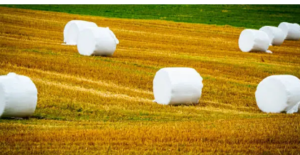 Bale wrap, also known as silage wrap or stretch film, is a plastic film used to wrap bales of hay, silage, or other forage crops. The wrap creates an airtight seal around the bale, which helps to preserve the contents by blocking out oxygen. This airtight environment promotes fermentation, which preserves the nutritional value of the forage while preventing the growth of harmful bacteria or mould.
Bale wrap is primarily used to preserve silage, particularly in the dairy, beef, and sheep industries. It is also commonly used to preserve hay for livestock feed, ensuring that animals have access to quality nutrition even in off-seasons or during periods of drought.
The Importance of Bale Wrap in Australia
Australia is no stranger to extreme weather conditions, ranging from scorching heatwaves to heavy rainfall. This variability makes it essential for farmers to have reliable methods of preserving their forage crops. Bale wrap offers a solution by protecting bales from external environmental factors that can otherwise lead to spoilage.
Here are a few key reasons why bale wrap is vital in Australia’s agricultural industry:
- Protection from Weather: Bale wrap protects stored hay and silage from rain, humidity, and UV rays, which can all compromise the quality of the forage. In Australia’s dry climate, farmers need to ensure that their feed stays intact and is free from mould and rot.
- Enhanced Preservation: By creating an airtight seal, bale wrap minimizes exposure to oxygen, which prevents the oxidation process that can degrade the nutritional content of hay and silage. It is especially important for maintaining high-quality feed throughout the year.
- Economic Value: With hay and silage being significant expenses for farmers, especially during droughts or times of feed scarcity, bale wrap helps to increase the storage life of forage. It means less waste and a more cost-effective feeding strategy.
- Efficiency in Handling: The use of bale wrap allows for quicker handling of silage. Wrapped bales can be easily stacked, stored, and transported without the fear of spoilage, making them easier to manage compared to uncovered bales.
Types of Bale Wrap
There are different types of bale wrap available in the market, and farmers must choose the right type depending on their specific needs. Below are the main types of bale wrap:
- Standard Bale Wrap: This is the most common type of bale wrap, typically made from low-density polyethylene (LDPE). It’s designed for general use in hay and silage preservation. It’s available in various thicknesses, ranging from 750mm to 1500mm in width, and is ideal for sealing large volumes of forage.
- UV-Resistant Bale Wrap: UV-resistant bale wrap is specially designed to protect forage from sun damage. UV rays can break down the material over time, reducing the effectiveness of the wrap and causing it to degrade. UV-resistant bale wrap ensures the longevity of both the wrap and the stored forage, making it an excellent choice for areas with high sun exposure.
- Biodegradable Bale Wrap: For environmentally-conscious farmers, biodegradable bale wrap offers an eco-friendly alternative. This type of wrap decomposes naturally over time, reducing plastic waste and the environmental impact of farming operations.
- High-Density Bale Wrap: This wrap is thicker and more durable, offering excellent protection against external damage.
Conclusion:
Bale wrap is an indispensable tool for farmers across Australia. It helps preserve the quality of hay, silage, and other forage crops by protecting against weather elements, enhancing preservation, and providing economic benefits. Bale wrap has become an essential part of modern farming practices.
If you’re looking to invest in bale wrap, ensure you choose a product that suits your needs and provides maximum protection for your crops. With the right bale wrap, you can rest assured that your forage will stay fresh and nutritious, giving your livestock the best possible nutrition all year long.