
When it comes to hay and straw baling, the choice of straw baler twine can significantly impact the efficiency of your operation. Choosing the right twine ensures that your bales hold together well, are easy to handle, and maintain their integrity throughout storage and transportation. With so many options on the market in Australia, knowing what to look for can be overwhelming. In this article, we’ll explore the key factors to consider when selecting straw baler twine to maximise your efficiency.
Understanding Straw Baler Twine
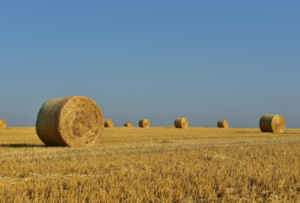 Straw baler twine is essential for binding bales of straw or hay, and it comes in various materials, thicknesses, and strengths. The right twine will ensure that your bales are securely tied and can withstand the pressures of storage and transport. The most common types of twine are polypropylene, sisal, and a combination of both. Each has its unique advantages and disadvantages, which we will discuss further.
Key Factors to Consider
- Material Type
Polypropylene Twine: This synthetic twine is widely used in modern baling operations due to its high tensile strength and durability. It is resistant to moisture, UV light, and rot, making it an excellent choice for outdoor storage. Polypropylene twine is lighter than natural twine, allowing for easier handling and less strain on baling equipment.
Sisal Twine: Made from natural fibres, sisal twine is biodegradable and environmentally friendly. It has been a traditional choice for farmers for many years. However, it is less resistant to moisture and UV light compared to polypropylene, which may lead to degradation over time. Sisal twine is often preferred for organic operations where sustainability is a priority.
Combination Twine: Some manufacturers offer twines that combine the strengths of both materials. These hybrid twines can provide a balance of durability and environmental friendliness.
- Tensile Strength
The tensile strength of straw baler twine is crucial for ensuring that bales stay intact during storage and transport. High tensile strength twine is less likely to break under pressure, resulting in fewer damaged bales and reduced downtime during baling operations.
- Twine Diameter
The diameter of the twine also plays a role in its performance. Thicker twine tends to have higher tensile strength, but it may not feed as smoothly through the baler. Conversely, thinner twine may feed better but could be more prone to breaking. Consider your baler’s specifications and your handling preferences when choosing the diameter of your straw baler twine.
- UV Resistance
If you’re baling straw that will be stored outdoors, UV resistance is an essential factor to consider. Prolonged exposure to sunlight can weaken twine over time, leading to breakage and compromised bales. Look for twines that have UV inhibitors added, which can help prolong their lifespan and maintain their strength.
- Weather Resistance
Depending on your region, moisture resistance may also be a critical consideration. Wet weather can impact the integrity of your bales, especially if you’re using natural twine like sisal. Polypropylene twine, with its moisture-resistant properties, maybe a better choice if you anticipate damp conditions.
- Cost and Value
While price is always a factor, it’s essential to consider the overall value of the twine. Investing in high-quality straw baler twine may have a higher upfront cost, but it can save you money in the long run by reducing waste, preventing damaged bales, and minimising downtime due to breakage. Calculate the total cost of ownership when comparing different twine options.
- Brand Reputation and Reviews
Finally, consider the reputation of the brand you’re purchasing from. Reading customer reviews and seeking recommendations from fellow farmers can provide valuable insights into the performance and reliability of specific twines. Brands with a long history of producing quality twine are often a safer bet.
Conclusion
Choosing the best straw baler twine for your operation is vital for maximising efficiency and ensuring the quality of your bales. By considering factors such as material type, tensile strength, diameter, UV resistance, weather resistance, cost, and brand reputation, you can make an informed decision that meets your unique needs. Whether you opt for synthetic, natural, or a combination twine, investing time in selecting the right straw baler twine will pay off in improved efficiency and reduced waste. Happy baling!