
Gutter guards can be an easy DIY option for homeowners looking to reduce gutter maintenance. From foam, brush or micro mesh covers, these covers trap debris on top while water passes through small holes below.
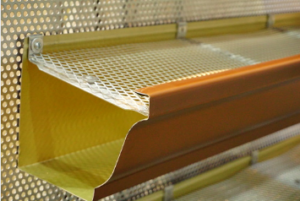 Gutter mesh and frame materials are integral to its strength and performance; aluminium is commonly chosen in Australia. Check the best gutter mesh material.
Aluminium
Gutter guard systems made of aluminium have long been the choice of gutter protection specialists, homeowners and water tank companies. Aluminium’s durability makes it the superior choice compared to its poly counterpart; heavy rainstorms won’t cause it to warp as a poly can do. Aluminium guards also boast an outstanding bushfire rating if you live in an area prone to bushfires.
Aluminium gutter guards are a popular choice among micro-mesh screens and lightweight gutter guards due to their affordability and ease of maintenance. In addition, aluminium is naturally corrosion resistant and won’t break down over time in direct sunlight; warranties typically range depending on product and supplier.
Steel mesh frames and bodies are popular among homes with overhanging trees where branches may pierce other materials. In addition, steel alloys offer corrosion resistance; you might see these in high-end gutter mesh products.
Install valley mesh for more permanent protection of your roof and gutters in areas such as valleys. This gutter guard can help secure the edges of roofing tiles by placing the mesh underneath their bases on both sides or using an aluminium gutter cover made explicitly for this task.
Steel
Steel gutter mesh products are among the premier gutter filtration and debris-blocking products on the market, providing superior filtration while blocking more debris than screen guards or brush gutter covers. Easy to install, steel mesh products typically slip under roof shingles or snap onto fascia (a transition trim between your home and roof) in minutes for installation or can even be attached directly onto gutters. Check the best gutter mesh material.
Metals are essential components in micro-mesh guard designs that incorporate frames with stainless steel or aluminium bodies for micro-mesh guards, providing sturdy structures that resist temperature changes without corroding. If you prefer something more substantial but less visually appealing, aluminium offers more robust solutions that can be painted or powder-coated to complement the aesthetics of your home.
Aluminium and steel are two popular choices when choosing metal gutter mesh panels, screens or bodies made from metal. Both materials offer exceptional resistance against corrosion and galvanisation for increased longevity; steel stands out as bushfire-rated as it has passed the BAL-40 or BAL-FZ rating for protection from the ember attack on your property. In addition, these products often feature colour coating to blend in seamlessly with the surrounding building while increasing durability and longevity.
Polyethylene
Gutter mesh is an integral component of any gutter system, but different mesh materials may differ significantly in terms of aperture (hole size), installation method and manufacturing quality. Some also corrode differently, so it’s essential that when making comparisons, it takes into account your property needs and location as well.
Plastic gutter guards may not be as long-lasting, but their installation costs are generally cheaper than metal options. Unfortunately, many plastic guards tend to clog easily under the weight of debris accumulation and break down due to UV breakdown more quickly than other forms of mesh gutter guarding systems. As a result, they may need extra protection or be replaced sooner than other mesh forms.
Brush gutter guards use UV-resistant plastic bristles connected to a wire core inside your gutter. They keep out leaves, debris, rodents and rainwater while allowing rainwater to pass freely; cleaning them efficiently also helps reduce maintenance costs. However, these guards should not be used in bushfire-prone areas or properties with tank water used for consumption as they do not adhere to bushfire safety standards; furthermore, they’re unsuited for coastal regions as saltwater exposure could cause them to corrode over time.
Galvanised
Gutter mesh can help prevent gutter clogs by trapping leaves, twigs and pine needles in its holes. The easy and cost-effective installation makes these an attractive solution; however, regular maintenance will be needed to remove debris that has found its way through these holes.
However, they’re not recommended if you live in a highly wet climate, as debris can quickly build up and lead to blockages. Furthermore, finer debris still gets through, so your gutters and mesh screen need cleaning regularly.
Another issue with mesh holes that are too big to allow small debris through, including leaf litter from jarrah and jacaranda trees and spring debris such as buds, seeds, husks and flowering bits. Furthermore, bigger items such as sticks and stones may pass through too easily through them. Check the best gutter mesh material.