
The key to good silage preservation is the rapid exclusion of air. Proper chopping and harvesting practices, wilting at the correct time, packing tightly, and sealing the storage structure all help prevent oxygen infiltration during anaerobic fermentation.
 Microbial inoculants include lactic acid bacteria such as Lactobacillus plantarum, Pediococcus, and Enterococcus. They enhance the production of lactic acid, lower silage pH and limit the growth of undesirable organisms during fermentation.
Low-Density Polyethylene (LDPE)
Generally speaking, LDPE is an inexpensive and highly flexible strong silage plastic that is used in several different applications. Its flexibility makes it an ideal material for packaging various consumer goods and food products. It is often used for pharmaceutical and squeeze bottles, bags, caps and closures, liners, trash bags, film for food packaging, and laminations. Due to its low water absorption properties, it is also widely used in the manufacturing of pipes and fittings.
LDPE is a polymer (a synthetic chemical substance) made from ethylene, which is obtained by cracking a light petroleum derivative such as naphtha. Unlike High-Density Polyethylene (HDPE), which is manufactured by the polymerisation of ethylene at higher pressures, LDPE has a lower degree of crystallisation and therefore is less dense. LDPE is also tough and flexible and can withstand a lot of strain.
LDPE is also an environmentally friendly material, as it is highly recyclable. LDPE has one of the highest recycling rates of all plastics. It can be recycled and reused repeatedly without losing its valuable properties. It is a big benefit for businesses that are trying to reduce their carbon footprint, as well as the environment.
Oxygen Barrier
The oxygen barrier is an important factor in determining the quality of hay. It can significantly affect fermentation and aerobic stability. Plastic film with low oxygen permeability is essential for preserving silage. It prevents the loss of moisture and oxygen that causes spoilage. It also helps prevent mould growth and reduce air pockets, contributing to dry matter loss.
A new type of silage cover, the oxygen barrier, has been designed to prevent nutrient loss and improve silage quality. It uses a thin plastic sheet with much lower oxygen permeability than conventional polyethylene. It is placed on top of the bunker and weighed down by tires, sandbags, or rock-filled bags to hold it in place. It also protects the hay from rain and wind.
This strong silage plastic has been shown to have a positive effect on the quality of corn silage. Its use allows high-quality silage with similar pH and lactic acid for areas close to (CF) and far from the film (FF). The effect of this plastic lasts throughout the entire conservation period.
Water Resistance
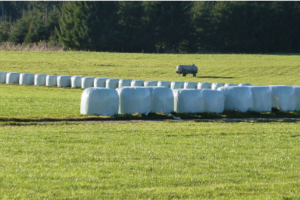
The plastic that covers silage bales must resist harsh weather conditions, including long periods of direct sunlight. This exposure can damage ordinary plastic, resulting in breakdown and loss of airtight seal. It can result in nutrient loss and dry matter shrinkage. Strong silage plastics are also moisture resistant, helping protect the contents from spoilage.
To ensure that a strong silage plastic will serve its purpose, producers should look for research results and producer testimonials to verify that the covering product will deliver on its promises. Specifically, they should ask about the raw materials and method of manufacturing the plastic. They should also request oxygen transmission rate (OTR) test data to ensure that the plastic will prevent oxygen from passing through and causing aerobic respiration in the hay.
In addition to preventing oxygen from passing through, the right strong silage plastic covering will also help reduce silage spoilage and improve lactic acid values and aerobic stability of the forage. It can lead to increased feed consumption and higher milk production per cow, allowing dairy farmers to earn more money from their operations.
Tear Resistance
Whether you’re wrapping hay or straw bales, good silage plastic protects and preserves forage, lowering feed costs. But the right film requires careful selection and application to ensure you get maximum value. The key is a strong oxygen barrier that minimises OTR (oxygen transfer rate) to the silage.
Investing in the best silage wrap can help you add to your bottom line this year and in years to come. It will keep your forage fresh and profitable by reducing waste, saving on energy and minimising oxidation. Studies have shown that the best silage barrier films can pay for themselves four to seven times. Be sure to look for third-party testing of the film’s strength and barrier performance.