
Hip dysplasia is a remarkably common condition that affects dogs, particularly larger breeds like German Shepherds, Labradors, and Bulldogs. It occurs when the hip joint doesn’t develop properly, seriously leading to pain, arthritis, and a decrease in mobility.
This condition can significantly affect your dog’s quality of life, causing them to experience discomfort when walking, running, or even resting. Thankfully, therapy for dogs with hip dysplasia can provide relief and improve their overall well-being. For more information on where to find therapy for dogs with hip dysplasia, click here.
Understanding Hip Dysplasia in Dogs
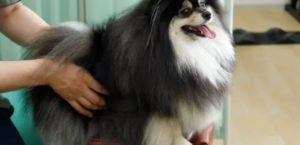 Hip dysplasia is a hereditary condition, although environmental factors, such as obesity or rapid growth, can also contribute to its development. The condition results from a malformation of the ball-and-socket joint in the hip. In a healthy joint, the ball (the top of the femur) fits snugly into the socket of the pelvis. In dogs with hip dysplasia, the ball may not fit properly, leading to joint instability and, over time, arthritis.
The Role of Therapy for Dogs with Hip Dysplasia
While surgery is sometimes necessary for severe cases of hip dysplasia, many dogs can benefit from non-invasive treatments that focus on managing pain, improving mobility, and preventing further damage to the hip joint.
Standard Therapy Options for Dogs with Hip Dysplasia in Portland, OR
Physical Therapy
Physical therapy is remarkably one of the most effective treatments for dogs with hip dysplasia. This type of therapy greatly focuses on strengthening the muscles around the hip joint, remarkably improving flexibility and increasing overall mobility.
Some common physical therapy treatments include:
- Massage therapy: To relax tense muscles and significantly improve blood circulation.
- Strengthening exercises: To build muscle around the hip joint and provide better support.
- Stretching exercises: To effectively increase flexibility and range of motion in the hips.
- Therapeutic ultrasound: To reduce inflammation and promote healing of soft tissues.
Water Therapy (Hydrotherapy)
Water therapy, or hydrotherapy, is a popular and effective form of therapy for dogs with hip dysplasia. This therapy involves exercises performed in a pool or underwater treadmill, which allows dogs to move with less impact on their joints. The buoyancy of the water supports your dog’s body weight, reducing strain on the hips while still significantly allowing them to engage in physical activity.
Laser Therapy
Laser therapy, also popularly known as cold laser therapy or low-level laser therapy (LLLT), is an effective, non-invasive treatment that significantly uses light to promote healing, effectively reduce pain, and decrease inflammation in affected joints. This therapy stimulates cellular activity in the tissues around the hip joint, promoting faster recovery and pain relief. Laser therapy is often used in combination with other known treatments, such as physical therapy or hydrotherapy, to provide comprehensive care.
Acupuncture
Acupuncture is an ancient practice that significantly involves inserting thin needles into specific points on the body to effectively stimulate the nervous system and promote healing. For dogs with hip dysplasia, acupuncture can help alleviate pain, improve circulation, and effectively reduce inflammation in the affected area. Acupuncture is often used alongside other therapies to provide comprehensive pain management and enhance overall healing.
Joint Supplements
In addition to physical therapy, joint supplements can be an essential part of managing hip dysplasia. Supplements containing glucosamine, chondroitin, and omega-3 fatty acids can significantly help support joint health and reduce inflammation. These supplements work by promoting the repair of cartilage and improving joint lubrication, which can reduce the pain and stiffness strongly associated with hip dysplasia.
Finding the Right Therapy for Your Dog in Portland, OR
If you suspect that your dog may have hip dysplasia, it’s crucial to consult with a veterinarian who can significantly provide an accurate diagnosis and recommend an appropriate treatment plan. In Portland, OR, there are many veterinary clinics and specialised rehabilitation centres that offer therapy for dogs with hip dysplasia.
Conclusion:
Therapy for dogs with hip dysplasia is an essential aspect of managing this common condition and ensuring that your dog can significantly continue to live an active, pain-free life. With a variety of treatments available, including physical therapy, water therapy, laser therapy, and acupuncture, there are numerous options to explore in Portland, OR.