
Hip dysplasia is a prevalent orthopedic condition affecting dogs, particularly in giant breeds such as German Shepherds, Labradors, and Golden Retrievers. In Portland, Oregon, pet owners have access to a range of specialised rehabilitation services designed to alleviate discomfort and enhance mobility in dogs suffering from this ailment. For more information about therapy for dogs with hip dysplasia recovery time, click here.
Understanding Canine Hip Dysplasia
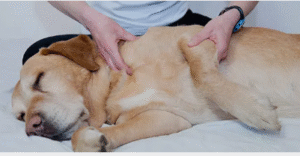 Canine hip dysplasia occurs when the hip joint fails to develop properly, resulting in joint instability, pain, and a potential risk of arthritis. Symptoms often include limping, difficulty rising, reluctance to jump, and decreased activity levels. While genetics play a significant role, environmental factors such as rapid growth, obesity, and excessive exercise can exacerbate the condition.
Therapy Options for Hip Dysplasia in Dogs
Effective management of hip dysplasia typically involves a combination of therapies aimed at reducing pain, improving joint function, and enhancing quality of life.
Physical Therapy
Physical therapy is a cornerstone in the rehabilitation of dogs with hip dysplasia. Therapists employ various techniques, including:
- Manual Therapy: Joint mobilisations and soft tissue manipulation to alleviate pain and improve range of motion.
- Therapeutic Exercises: Targeted exercises to strengthen muscles supporting the hip joint.
- Neuromuscular Electrical Stimulation (NMES): Stimulates muscles to enhance strength and function.
- Cold Laser Therapy: Promotes healing by reducing inflammation and stimulating tissue repair.
- Underwater Treadmill: Provides low-impact exercise to build strength without stressing the joints.
In Portland, they offer tailored rehabilitation programs focusing on senior dogs and those with chronic conditions. Their approach includes personalised therapy sessions and at-home exercise plans.
Weight Management
Maintaining an optimal weight is crucial for dogs with hip dysplasia. Excess weight increases stress on the hip joints, exacerbating pain and accelerating joint degeneration. Veterinary professionals often recommend dietary adjustments and controlled feeding to achieve and maintain a healthy weight.
Assistive Devices
Devices such as braces and harnesses can provide additional support to the affected joints. For instance, the “Hipster Harness” is designed to encourage the use of hind legs, thereby strengthening muscles around the hip joint. This device can be particularly beneficial for dogs with mild to moderate hip dysplasia.
Recovery Time and Expectations
The recovery time for dogs undergoing therapy for hip dysplasia varies based on several factors, including the severity of the condition, the dog’s age, and the consistency of the rehabilitation program. Generally, noticeable improvements can be observed within 4 to 6 weeks of initiating therapy. However, achieving optimal results may take several months, and ongoing maintenance therapy is often necessary to sustain joint health and mobility.
Local Rehabilitation Services in Portland, OR
Portland offers a variety of rehabilitation services for dogs with hip dysplasia:
- Provides mobile physical therapy services, bringing rehabilitation directly to your home. Their services include therapeutic exercises, manual therapy, and custom adaptive equipment.
- Specialises in senior dog rehabilitation, offering personalised therapy sessions and at-home exercise programs.
- Offers a holistic approach combining swimming, chiropractic care, acupuncture, laser therapy, and massage to treat special needs shelter animals.
Considerations for Dogs with Hip Dysplasia
In addition to physical therapy and weight management, some pet owners may consider surgical options for dogs with severe hip dysplasia. Procedures such as a total hip replacement or femoral head osteotomy can provide long-term relief, particularly when non-surgical treatments are not enough. However, surgery often involves a longer recovery time and may require post-operative therapy. Regardless of the treatment chosen, regular check-ups with a veterinarian are essential for monitoring progress and adjusting the therapy plan as needed. In Portland, OR, expert veterinary specialists are available to guide owners through the best options for their dog’s unique needs.
Conclusion:
Therapy for dogs with hip dysplasia in Portland, OR, encompasses a multifaceted approach designed to alleviate pain, enhance mobility, and improve overall quality of life. By engaging with local rehabilitation services and committing to a tailored therapy plan, pet owners can significantly improve their dogs’ well-being and comfort.