
Varicose veins are swollen, twisted blood vessels that bulge above the skin’s surface. Veins carry blood from the various parts of your body back to the heart for oxygen.
There are three main treatment options: conservative treatment, surgery and injection sclerotherapy. Non-surgical techniques offer fewer complications and require less recovery time. For more information about the minimally invasive varicose vein removal Adelaide, click here.
Ultrasound Guided Sclerotherapy
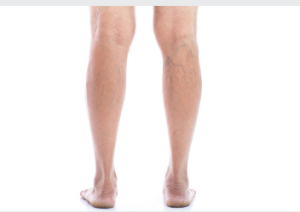 The ultrasound-guided sclerotherapy procedure takes traditional sclerotherapy to the next level, enabling it to treat large varicose veins that cannot be seen on the skin’s surface. This treatment uses a duplex ultrasound machine to locate the affected vein and inject a chemical (sclerosant) into it. It causes the vein to collapse and eventually disappear over time, helping to alleviate your symptoms and improve the appearance of your legs.
The procedure is outpatient, and you will be required to wear compression stockings afterwards to promote healthy circulation. Nitrous oxide (laughing gas) can be administered to reduce discomfort during your procedure.
While this treatment is effective, it is not a cure, and you may need more than one session to see full results. Additionally, your varicose veins may not completely fade from view and will likely return over time. However, the new varicose veins will be smaller and less noticeable.
Radiofrequency Ablation
Varicose vein ablation uses heat generated by radiofrequency waves to seal the varicose vein. The procedure is performed under local anesthesia or sedation.
Your doctor will discuss your pain and symptoms before scheduling an RFA treatment. You may need to stop taking certain blood-thinning medications (such as aspirin, warfarin and clopidogrel) for several days before the procedure.
The procedure is done in your doctor’s office. You will lie on your stomach on a procedure table. The area over the varicose vein is cleansed and numbed. An intravenous line is started to give relaxation medicine, if necessary.
Endovenous Laser Treatment
The latest technology to remove varicose veins by heat sealing the diseased vein. Using duplex ultrasound, your doctor will mark the vein that needs treatment. Then, a small flexible wire is passed into the vein, a narrow tube (sheath) is threaded over this, and a laser probe is inserted. The generator then creates heat energy that seals the vein from the inside, and the procedure takes just a few minutes. For more information about the minimally invasive varicose vein removal Adelaide, click here.
Therefore, this method does not require a groin incision and is much safer than surgery. It also leaves fewer scars, is less painful and requires a shorter recovery time.
During this treatment, your doctor will scan the area with ultrasound and insert a catheter into the abnormal varicose vein. It is done under local anaesthetic. A laser fibre is inserted into the catheter, and as the catheter is pulled out, it heats the diseased varicose vein, causing it to close. Blood then reroutes to other healthy veins, leaving the diseased varicose vein to shrivel up and disappear.
Sclerotherapy for Spider Veins
Sclerotherapy involves injecting small superficial varicose and spider veins with a specialised solution. It irritates and destroys the lining of the abnormal vein, causing it to close and eventually fade from view. The procedure is a relatively simple and painless treatment. Local anaesthetic is applied to the injection sites, and you will feel only a slight pinprick sensation when the fine needle enters the vein.
Most people with smaller varicose and spider veins can see a visual improvement in their appearance within a few weeks of sclerotherapy. However, more prominent varicose veins may take up to four months to fully improve in appearance.
Bruising after sclerotherapy is usually minimal and generally lasts only a few days. We ask you to wear compression stockings immediately after the treatment to help heal and reduce swelling and bruising. It is also a good idea to avoid sitting or standing for long periods after the treatment as this can cause blood flow problems in the leg.